
The Dark Side of Disinfectant
November 19, 2016
Why moderation is key in sanitation
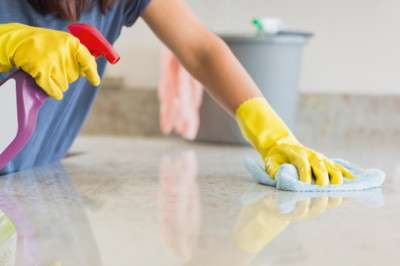
There’s nothing like the sharp scent of commercial disinfectant to convey a sense of super clean. But can disinfectants do as much harm as good? Some products leave behind residue that includes volatile organic compounds (VOCs). These materials can seriously affect the skin, eyes and respiratory system. Research also suggests that excessive disinfection removes harmless bacteria that builds natural immunity, making us vulnerable to resistant “super” bugs.
But there are ways to reduce these risks for a more green-conscious cleaning program. Consider these simple guidelines when deciding your sanitation methods.
Choosing the right product
The use of disinfectants is legally mandated in certain situations, such as hospitals and food preparation areas. But that doesn’t mean you can’t reduce its negative consequences. Instead, go for Environmental Protection Agency (EPA) registered products that have more neutral pH values to reduce potential exposure to irritants. Strictly following directions as outlined by the product, particularly regarding wait times and dilution levels, also helps limit the risks.
Consider the alternatives
The market currently offers other options for low- to non-toxic cleaning. The EPA’s Safer Choice program offers a list of products certified for reducing toxin exposure to both individuals and the environment, many of which include alternative ingredients such as hydrogen peroxide, citric acid and acetic acid. There are also chemical free cleaning options on the market, such as liquid ozone, which uses regular tap water charged with oxygen molecules to cut through dirt and bacteria just as effectively as traditional disinfectants, according to recent research.
When in doubt, less is more
The danger of disinfectants isn’t just about what you use, but also how much. Avoid super concentrated products, as they fail to kill more bugs, but certainly increase exposure to more harmful chemicals. When cleaning, use non-toxic solutions to remove heavy soils before sanitizing, so disinfectants won’t have to play double duty. It is also more useful to identify products that specifically targets infections that are of high public concern, such as the H1N1 or swine flu virus.


Request a FREE Quote!
Reach out today, and a member of our team will follow up as soon as possible.
Related Articles
More Insights From SparkleTeam
Explore more articles on commercial cleaning, sustainability, building care, and facility maintenance. SparkleTeam’s Resource Center shares practical information to help property managers, building teams, and decision-makers keep their properties cleaner, healthier, and better maintained.

January 1, 2025
The Sustainable Innovations Transforming Recycling
Practical recycling and waste reduction tips for cleaner, more sustainable commercial facilities and workplaces.

November 27, 2024
Save the Planet Through Sustainable Procurement
Explore practical sustainability and green cleaning ideas for healthier, more eco-conscious South Florida facilities.

November 5, 2024
Choosing the Right Dispenser for Restrooms
Practical restroom and hygiene tips to help keep your commercial facility cleaner, healthier, and easier to maintain.
September 25, 2024
Should You Worry About Forever Chemicals?
Explore practical sustainability and green cleaning ideas for healthier, more eco-conscious South Florida facilities.
Need Commercial Cleaning Support?
Request a Free Quote
SparkleTeam provides commercial cleaning services for properties throughout South Florida. Contact us today to discuss your building, schedule, and cleaning needs.